Dental Care in Punjabi Bagh: Common Treatments & When to See a Dentist
Taking care of your teeth involves more than visiting a dentist only when you have severe tooth pain. Regular oral hygiene, preventive dental care, and timely professional advice can help you maintain healthy teeth and gums.
If you live or work in Punjabi Bagh and are searching for a dentist in Punjabi Bagh, it is useful to understand the common dental problems and treatments that may require professional attention.
Tooth pain, cavities, gum problems, sensitivity, damaged teeth, missing teeth, and misaligned teeth can have different causes and may require different approaches to treatment.
In this guide, we discuss common dental concerns, the treatments that may be considered, preventive dental care, and when you should schedule a dental consultation.
Why Is Regular Dental Care Important?
Your teeth and gums can change gradually over time.
Some dental problems may produce noticeable symptoms such as pain or swelling, while others may develop without obvious discomfort in their early stages.
Regular dental examinations can help your dentist assess your teeth and gums and identify concerns that may require attention.
Good dental care also includes daily brushing, cleaning between the teeth, maintaining healthy dietary habits, and following professional advice based on your individual oral health.
If you are looking for a dental clinic in Punjabi Bagh, consider choosing a clinic where you can discuss your concerns and understand the treatment options available for your individual condition.
Dental problems can affect children, teenagers, adults, and older adults.
Some of the common concerns include the following.
1. Tooth Pain
Tooth pain is one of the most common reasons people seek dental care.
It can have several possible causes, including tooth decay, infection, sensitivity, trauma, gum problems, or other conditions affecting the tooth.
If pain continues, becomes severe, or repeatedly returns, it is important to have the affected tooth examined by a dentist.
The appropriate treatment depends on the cause of the pain and the condition of the tooth.
2. Cavities and Tooth Decay
Cavities develop when the tooth structure is gradually damaged by acids produced by bacteria.
Early tooth decay may not cause obvious pain. As the problem progresses, you may notice sensitivity, discomfort, food getting trapped in the tooth, or visible changes.
Depending on the extent of decay, your dentist may recommend a filling or another restorative treatment.
Timely examination can help determine the condition of the tooth and the appropriate treatment.
3. Tooth Sensitivity
Do you feel discomfort when consuming hot, cold, sweet, or acidic foods and drinks?
Tooth sensitivity can have different causes, including worn enamel, exposed tooth surfaces, gum recession, cavities, or other dental conditions.
If sensitivity is persistent or increasing, a dental examination can help identify the possible cause.
Treatment depends on the underlying problem rather than the sensitivity alone.
4. Bleeding or Swollen Gums
Repeated gum bleeding, swelling, redness, tenderness, or changes around the gums should not be ignored.
Gum problems can develop gradually and may affect the tissues supporting the teeth.
Maintaining good oral hygiene is important, but persistent symptoms should be discussed with a dental professional.
Your dentist can examine your gums and recommend appropriate treatment or preventive care.
5. Bad Breath
Bad breath can sometimes be associated with food, oral hygiene, dry mouth, or other factors.
Persistent bad breath may also be associated with oral health problems.
If the problem continues despite regular brushing and oral hygiene, consider discussing it with a dentist.
A dental examination can help determine whether there is an oral cause that needs attention.
6. Broken, Chipped, or Cracked Teeth
Teeth can become damaged because of an accident, injury, biting hard objects, tooth decay, or normal wear.
The appropriate treatment depends on how much of the tooth has been affected.
Depending on the situation, your dentist may discuss restorative options such as a filling, crown, root canal treatment, or another procedure.
Even if a damaged tooth is not painful, it is worth having it evaluated.
7. Missing Teeth
Missing teeth can affect chewing and may also influence the function and position of neighbouring teeth.
Depending on your oral health and individual circumstances, options for replacing missing teeth may include dental implants, bridges, or dentures.
If you have missing teeth and want to understand your options, you can read more about [Dental Implants].
8. Crooked or Crowded Teeth
Crooked, crowded, or misaligned teeth may sometimes make cleaning more difficult or affect chewing and bite.
Orthodontic treatment can be considered depending on the patient’s individual dental condition.
Possible treatment options may include traditional braces, ceramic braces, or clear aligners.
You can learn more about [Braces Treatment] and [Clear Aligners] before discussing your options with a dentist.
Common Dental Treatments
The appropriate dental treatment depends on the patient’s examination, diagnosis, dental history, and individual requirements.
Some commonly provided dental treatments include the following.
Root Canal Treatment
When the pulp inside a tooth becomes infected or severely inflamed, root canal treatment may be recommended in appropriate cases.
Symptoms may include persistent tooth pain, sensitivity, swelling, or discomfort while chewing, although symptoms can vary.
If your dentist determines that root canal treatment is appropriate, the procedure is designed to treat the affected internal tissues of the tooth.
Read more about [Root Canal Treatment] on our treatment page.
Dental Fillings
Dental fillings may be used to restore teeth affected by certain types of cavities or damage.
The type of restoration depends on the condition and location of the tooth.
Your dentist can examine the affected tooth and discuss the available restorative options.
Dental Crowns
A dental crown may be recommended when a tooth requires additional protection or restoration.
Crowns may be considered for certain damaged, weakened, or extensively restored teeth.
The dentist will assess the tooth before determining whether a crown is appropriate.
Dental Implants
Dental implants are one option that may be considered for replacing missing teeth.
The suitability of implants depends on factors such as the condition of the gums, available bone, overall oral health, and the specific tooth-replacement requirements.
A dental examination and treatment planning are required before deciding whether implants are suitable.
Braces and Clear Aligners
Braces and clear aligners can be used for certain orthodontic problems involving tooth alignment and bite.
The most suitable option depends on the patient’s age, dental condition, alignment problem, treatment goals, and other clinical factors.
An orthodontic consultation can help determine the appropriate approach.
Teeth Cleaning and Preventive Care
Professional teeth cleaning may be recommended depending on your oral health.
Although brushing and cleaning between the teeth are important daily habits, professional cleaning can help remove deposits that may not be completely removed through routine home care.
You can learn more about [Teeth Cleaning Treatment] on our dental care page.
When Should You See a Dentist?
You do not need to wait until dental pain becomes severe before seeking professional advice.
Consider scheduling a dental consultation if you experience:
Persistent tooth pain
Repeated tooth sensitivity
Bleeding or swollen gums
Persistent bad breath
A broken or cracked tooth
A loose adult tooth
Wisdom tooth pain
Difficulty chewing
A visible cavity
Missing teeth
Crooked or crowded teeth
Swelling around a tooth or gum
The underlying cause of these symptoms can vary, so a dental examination is important before deciding on treatment.
What Happens During a Dental Consultation?
A dental consultation generally starts with a discussion about your symptoms, dental history, and concerns.
The dentist may then examine your teeth and gums.
Depending on your symptoms and clinical findings, the dentist may recommend additional examination or dental imaging when appropriate.
During the consultation, you can ask questions such as:
What is causing my dental problem?
What treatment options are available?
How many appointments may be required?
What should I expect during treatment?
What follow-up care will I need?
Are there alternative treatment options?
Understanding your dental condition and treatment options can help you make an informed decision about your oral care.
How to Maintain Good Dental Health
Daily habits play an important role in maintaining healthy teeth and gums.
Some useful practices include:
Brush your teeth regularly using an appropriate technique.
Clean between your teeth as recommended by your dentist.
Limit frequent consumption of sugary foods and drinks.
Drink enough water throughout the day.
Avoid using your teeth to open packages or bite hard objects.
Pay attention to changes in your teeth and gums.
Follow the dental check-up schedule recommended for your individual needs.
Your dentist can also recommend a personalized oral-care routine based on your dental condition.
Choosing a Dental Clinic in Punjabi Bagh
If you are searching for a dental clinic in Punjabi Bagh, there are several factors you can consider before making an appointment.
These may include:
Dentist qualifications and experience
Range of dental treatments
Clinic location
Hygiene and infection-control practices
Clear communication about treatment
Appointment availability
Follow-up care
Location can be particularly important if your treatment requires multiple appointments.
If you have a dental concern, choose a clinic where you can discuss your symptoms and understand the available treatment options before proceeding.
Dental Care for Different Age Groups
Dental needs can change throughout life.
Children
Children benefit from early dental care and guidance about brushing, diet, and healthy oral habits.
Parents should discuss concerns such as tooth pain, sensitivity, tooth discoloration, or problems with developing teeth with a dentist.
Teenagers
Teenagers may require preventive dental care, regular examinations, or orthodontic evaluation.
Braces or clear aligners may be considered for certain alignment and bite problems after an appropriate assessment.
Adults
Adults may need preventive dental care as well as treatment for cavities, gum problems, damaged teeth, missing teeth, or other dental concerns.
Regular dental examinations can help adults stay aware of changes in their oral health.
Why Timely Dental Care Matters
A dental problem does not always disappear simply because the symptoms temporarily improve.
For example, a tooth may stop hurting temporarily even though the underlying problem still requires evaluation.
Similarly, early gum problems may become more noticeable over time if the underlying cause is not addressed.
This does not mean that every dental symptom requires immediate treatment. The appropriate approach depends on the individual condition and should be determined by a qualified dental professional.
Looking for a Dentist in Punjabi Bagh?
If you are searching for a dentist in Punjabi Bagh, consider choosing a dental professional who can understand your concerns, examine your oral health, and explain the appropriate treatment options.
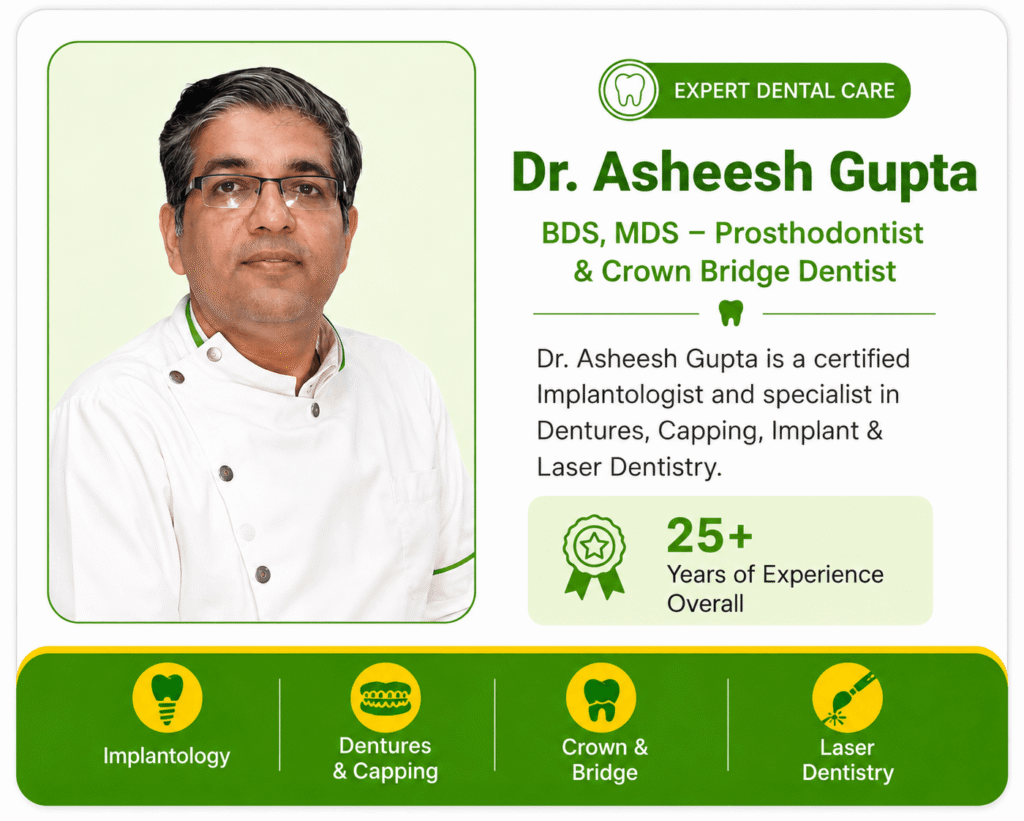
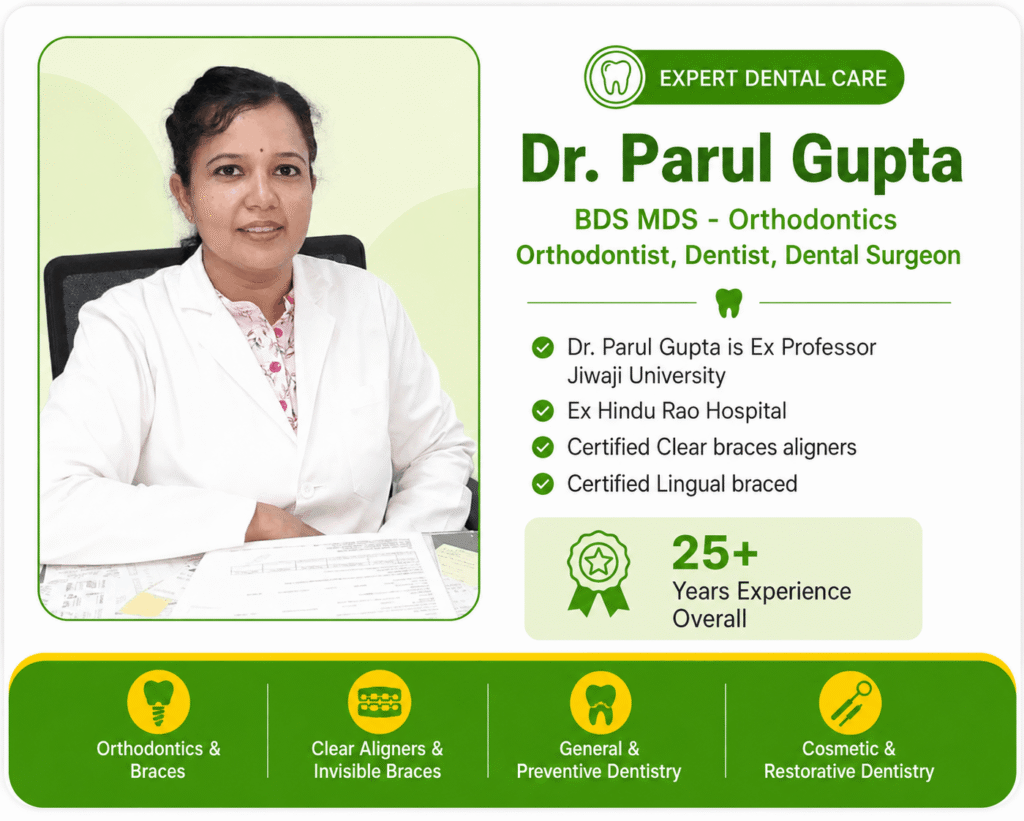
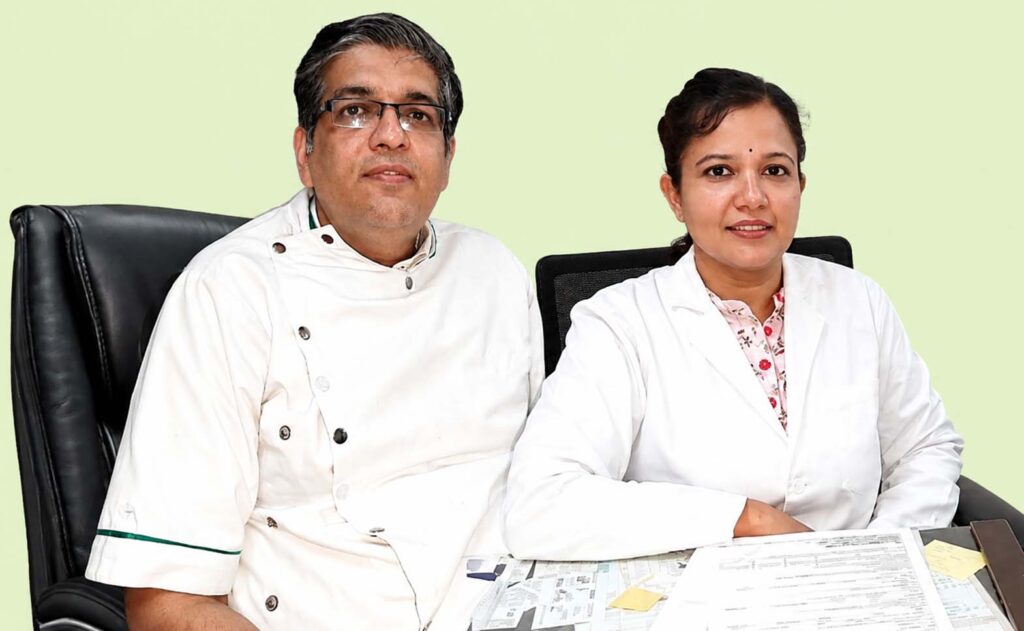
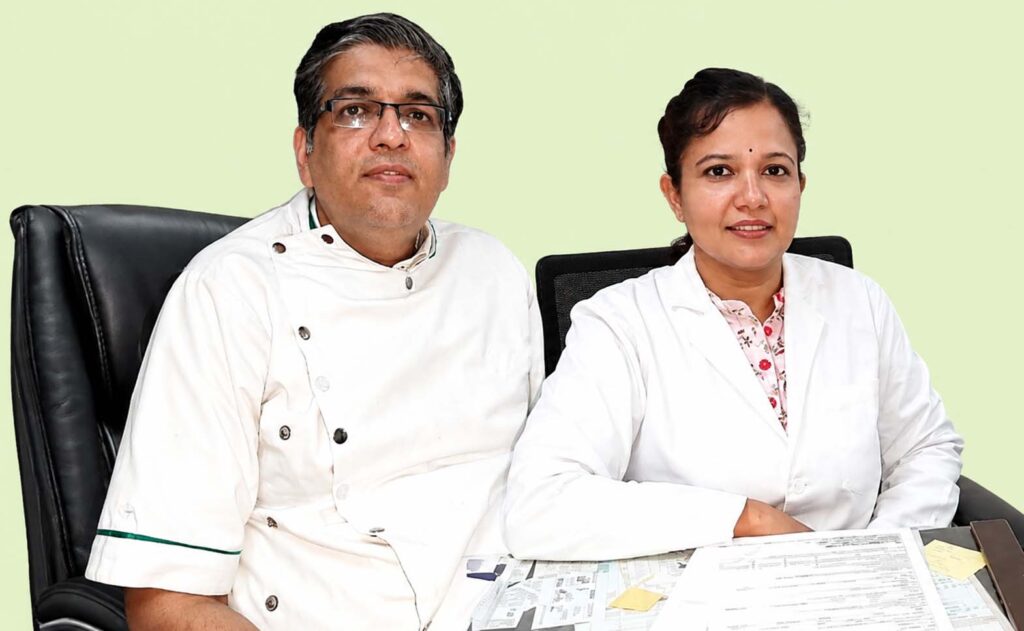
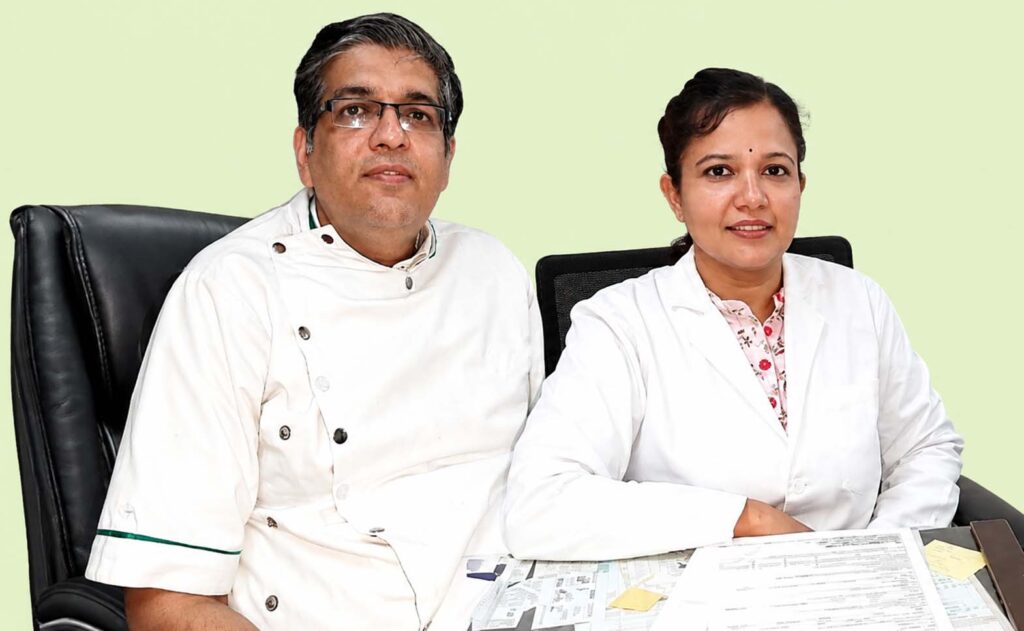
Dr. Gupta’s Dental & Braces Clinic provides a range of dental treatments and consultations for different dental needs.
Before beginning treatment, a dentist can evaluate your dental condition and discuss the available options based on your individual requirements.
If you are looking for dental care in or around Punjabi Bagh, you can contact the clinic to discuss your dental concern and ask about available consultation options.
Frequently Asked Questions
What are the most common dental problems?
Common dental problems include tooth decay, cavities, tooth pain, sensitivity, gum problems, bad breath, damaged teeth, wisdom tooth problems, missing teeth, and misaligned teeth.
When should I visit a dentist in Punjabi Bagh?
You should consider visiting a dentist if you experience persistent tooth pain, repeated sensitivity, bleeding or swollen gums, a damaged tooth, persistent bad breath, wisdom tooth problems, or another noticeable change in your oral health.
How do I choose a dental clinic in Punjabi Bagh?
Consider the dentist’s qualifications and experience, available dental treatments, clinic location, hygiene practices, communication, appointment options, and follow-up care.
Can tooth sensitivity be treated?
Treatment depends on the cause of the sensitivity. A dentist can examine your teeth and gums and recommend appropriate care based on the underlying condition.
Can missing teeth be replaced?
Depending on your individual dental condition, missing teeth may be replaced using options such as dental implants, bridges, or dentures. Your dentist can discuss the available options after an examination.
Do I need a dentist if I have no tooth pain?
Dental problems do not always cause noticeable symptoms in their early stages. Regular dental examinations can help assess your oral health and identify concerns that may require attention.
How can I maintain good oral health?
Regular brushing, cleaning between the teeth, maintaining a balanced diet, limiting frequent sugary foods and drinks, and following your dentist’s recommended examination schedule can support good oral health.
Good dental care combines daily oral hygiene, preventive care, regular dental examinations, and timely professional advice.
Whether you are dealing with tooth pain, sensitivity, bleeding gums, a damaged tooth, missing teeth, or another dental concern, a dental examination can help determine the possible cause and appropriate treatment options.
If you are looking for a dentist in Punjabi Bagh, consider scheduling a consultation to discuss your dental concerns and understand the care that may be appropriate for your individual needs.
Book a Dental Consultation
Have a dental concern or need professional dental advice?
Contact our dental team to discuss your dental needs and schedule a consultation.
 Call us at (+91) 9910 257 800 or (+91) 9910 259 600
Book an appointment online at www.topdentistdelhi.com