Dental Check-Up in Paschim Vihar: When Should You Visit a Dentist?
Many people visit a dentist only when they develop tooth pain or another noticeable dental problem. However, regular dental check-ups can be an important part of maintaining healthy teeth and gums.
If you live or work in Paschim Vihar and are looking for a dentist in Paschim Vihar, knowing when to schedule a dental examination can help you take better care of your oral health.
A dental check-up allows a dentist to examine your teeth and gums, identify potential problems, and recommend appropriate treatment or preventive care based on your individual needs.
In this guide, we explain when you should consider visiting a dentist, what symptoms should not be ignored, and what you can expect during a routine dental check-up.
Why Are Regular Dental Check-Ups Important?
Some dental problems may develop gradually without causing significant pain in the beginning.
Cavities, gum problems, tooth wear, and other oral health concerns may become more noticeable as they progress.
A routine dental examination gives your dentist an opportunity to check your teeth and gums and discuss any concerns you may have.
Regular dental visits may also help you understand how to improve your daily oral hygiene routine and reduce the risk of future dental problems.
When Should You Visit a Dentist?
You do not necessarily have to wait for severe tooth pain before visiting a dentist.
Consider scheduling a dental consultation if you notice any of the following signs.
1. Persistent Tooth Pain
Tooth pain that continues or repeatedly returns should be evaluated by a dentist.
Toothache can have several possible causes, including tooth decay, infection, damage, sensitivity, or problems affecting the surrounding tissues.
A dental examination can help identify the underlying cause and determine whether treatment is required.
If you are experiencing persistent tooth pain, you can discuss your symptoms with a qualified dentist in Paschim Vihar.
2. Bleeding or Swollen Gums
Occasional minor gum irritation can have different causes, but repeated bleeding while brushing or swollen gums should not simply be ignored.
Gum problems can develop gradually and may require professional evaluation.
Your dentist can examine your gums and recommend appropriate care based on your condition.
3. Tooth Sensitivity
Do you experience discomfort when drinking something hot or cold?
Tooth sensitivity can have several possible causes, including exposed tooth surfaces, worn enamel, cavities, gum recession, or other dental conditions.
If sensitivity is persistent or worsening, consider discussing it with a dentist.
4. Persistent Bad Breath
Bad breath can sometimes be related to food, oral hygiene, dry mouth, or other factors.
If bad breath continues despite regular brushing and oral hygiene, a dental examination may help identify a possible oral cause.
Your dentist can examine your teeth and gums and recommend appropriate steps.
5. A Broken or Cracked Tooth
A broken, chipped, or cracked tooth should be evaluated by a dentist, particularly if it causes pain or sensitivity.
Depending on the condition of the tooth, treatment options may include restorative procedures such as a filling, crown, or other dental treatment.
The appropriate option can only be determined after examining the tooth.
6. Loose Adult Tooth
An adult tooth becoming loose is a reason to seek professional dental advice.
Several conditions can affect the stability of an adult tooth, including gum disease, trauma, or other dental problems.
Early examination may help determine what is causing the problem and whether the tooth can be treated.
7. Wisdom Tooth Pain
Wisdom teeth can sometimes cause pain, swelling, difficulty opening the mouth, or discomfort around the back of the jaw.
If you experience repeated wisdom tooth problems, a dentist can examine the area and determine whether monitoring, treatment, or removal should be considered.
A routine dental appointment may vary depending on your age, dental history, symptoms, and individual needs.
During a consultation, the dentist may:
Ask about your dental concerns and medical history
Examine your teeth and gums
Check for visible signs of tooth decay
Assess gum health
Look for damaged or worn teeth
Discuss any sensitivity or pain
Recommend further examination or dental imaging when clinically appropriate
Explain possible treatment or preventive care
The purpose of the examination is to understand your current oral health and determine whether any treatment or preventive measures may be appropriate.
Dental Cleaning and Preventive Care
A dental check-up and professional teeth cleaning are not necessarily the same thing.
During an examination, the dentist evaluates your oral health.
Professional cleaning focuses on removing deposits that may not be completely removed through routine brushing and flossing.
If you are interested in professional cleaning, you can learn more about our [Teeth Cleaning Treatment].
Your dentist can also advise you about brushing, flossing, diet, and other daily oral-care habits according to your individual needs.
The treatment recommended after a dental examination depends entirely on the condition found during the examination.
For example:
Tooth Filling
If a tooth has a cavity or certain types of damage, a filling may be considered depending on the extent of the problem.
Root Canal Treatment
If the pulp inside a tooth becomes infected or severely inflamed, root canal treatment may be recommended in appropriate cases.
Read our detailed guide to [Root Canal Treatment].
Dental Crown
A crown may be considered when a tooth requires additional structural protection or restoration.
The dentist will evaluate the condition of the tooth before recommending the appropriate restoration.
Dental Implants
If you have a missing tooth, dental implants may be one of the tooth-replacement options that can be discussed with your dentist.
You can learn more about [Dental Implants] and the treatment process on our dental implant page.
Braces and Clear Aligners
If your teeth are crowded, crooked, or misaligned, your dentist may recommend an orthodontic evaluation.
Depending on your individual situation, treatment options may include traditional braces or clear aligners.
Read more about [Clear Aligners] and [Braces Treatment].
There is no single dental-visit schedule that is appropriate for every person.
The recommended frequency can depend on your oral health, dental history, risk factors, age, existing conditions, and treatment needs.
Your dentist can recommend an appropriate follow-up schedule after examining your teeth and gums.
If you have ongoing dental symptoms, you should not wait for a routine appointment before seeking professional advice.
Choosing a Dental Clinic in Paschim Vihar
If you are searching for a dental clinic in Paschim Vihar, consider factors such as:
Dentist qualifications and experience
Range of dental services
Clinic location
Hygiene and infection-control practices
Clear communication about treatment
Follow-up care
Appointment availability
Choosing a conveniently located clinic can also be helpful when your treatment requires multiple visits.
If you are looking for a local dental clinic, you can learn more about our [Dental Clinic in Paschim Vihar] and the services available at the clinic.
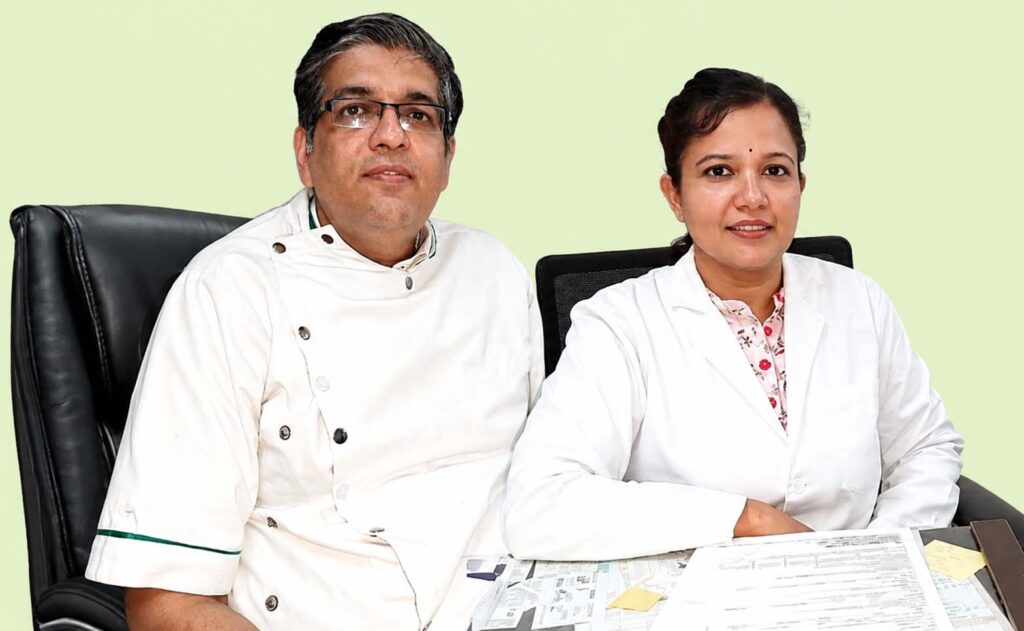
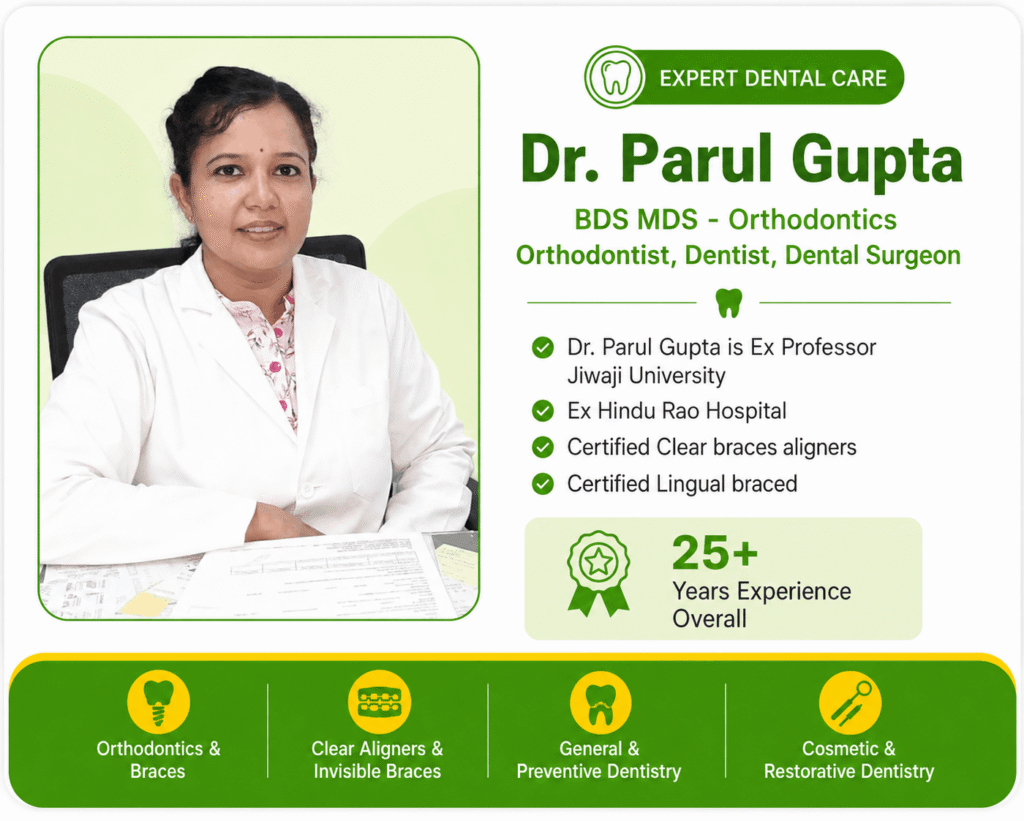
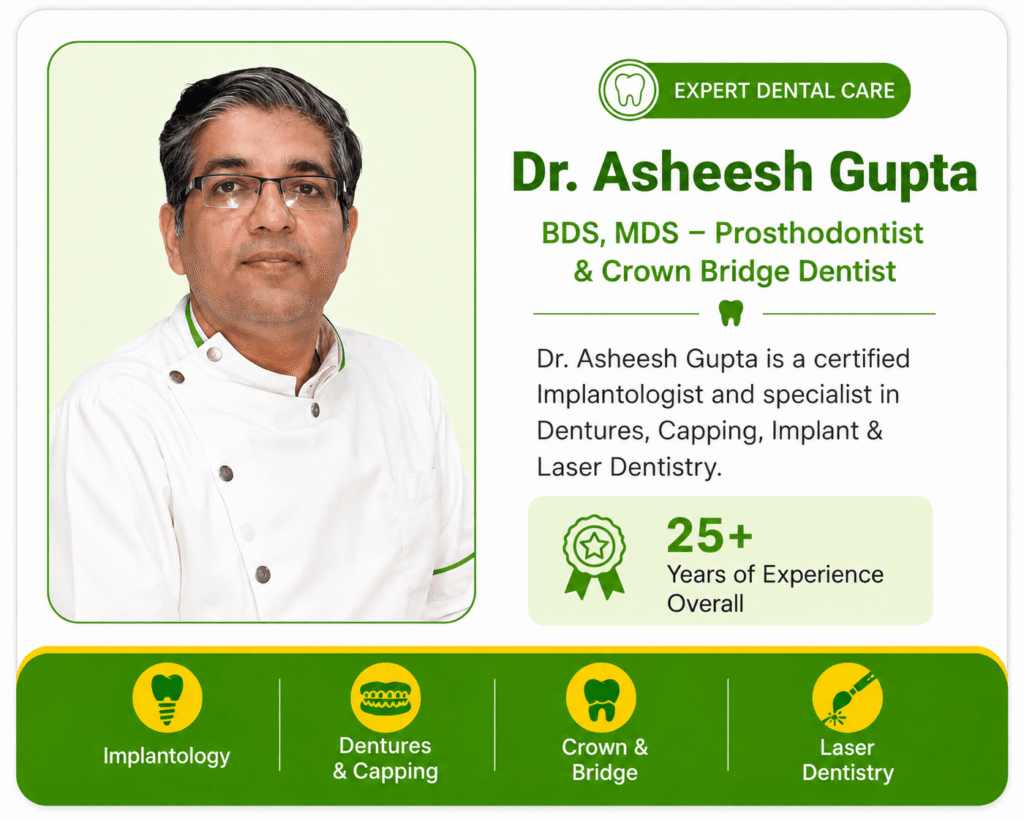
Dr. Gupta’s Dental & Braces Clinic provides dental care for adults and children at its Paschim Vihar location.
The clinic offers a range of dental services, including preventive dental care, root canal treatment, dental implants, braces, clear aligners, cosmetic dental treatments, and other dental procedures.
The Paschim Vihar clinic is located at:
A2 /3, Prateek Apartments, Paschim Vihar, Delhi – 110063
If you have a dental concern, you can contact the clinic to discuss your requirements and schedule a dental consultation.
Frequently Asked Questions
When should I visit a dentist in Paschim Vihar?
You should consider visiting a dentist if you have persistent tooth pain, bleeding or swollen gums, sensitivity, a broken tooth, persistent bad breath, a loose adult tooth, or wisdom tooth problems.
Do I need a dental check-up if I have no pain?
Dental problems do not always cause noticeable symptoms in their early stages. A dental examination can help assess your oral health and identify concerns that may require attention.
What happens during a dental check-up?
The dentist may examine your teeth and gums, discuss your dental history and concerns, look for signs of decay or other problems, and recommend further examination or treatment when appropriate.
Where can I find a dental clinic in Paschim Vihar?
Dr. Gupta’s Dental & Braces Clinic has a Paschim Vihar location at A2 /3, Prateek Apartments, Paschim Vihar, Delhi – 110063.
Can a dentist treat tooth pain?
A dentist can examine the cause of tooth pain and recommend appropriate treatment based on the diagnosis. Treatment may vary depending on whether the pain is related to decay, infection, sensitivity, trauma, or another dental condition.
What should I do if I have sudden severe dental pain?
If you develop sudden severe dental pain, swelling, facial injury, uncontrolled bleeding, or another urgent dental problem, seek prompt professional dental care.
Taking care of your teeth does not have to start only after a dental problem becomes painful.
Regular dental examinations, good oral hygiene, and timely professional advice can help you stay aware of your oral health and address problems when they require attention.
If you are looking for a dentist in Paschim Vihar or want to schedule a dental check-up, you can contact Dr. Gupta’s Dental & Braces Clinic to discuss your dental concern and arrange a consultation.
Book a Dental Consultation
Have tooth pain, sensitivity, bleeding gums, or another dental concern?
Schedule a consultation with our dental team in Paschim Vihar.
Paschim Vihar Clinic: A2 /3, Prateek Apartments, Paschim Vihar, Delhi – 110063
Book an Appointment
 Call us at (+91) 9910 257 800 or (+91) 9910 259 600
Book an appointment online at www.topdentistdelhi.com